Netzer

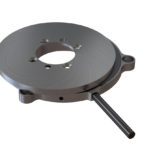
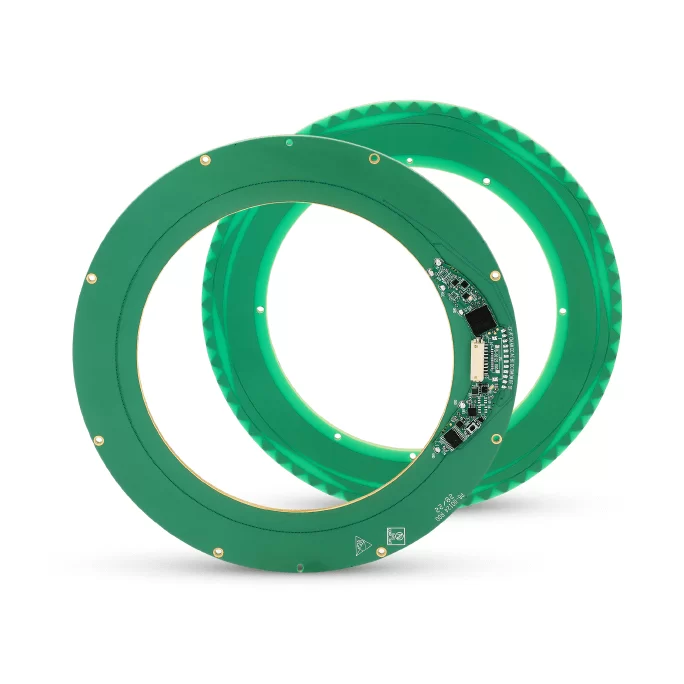
Netzer VLX-170

Part no.: Netzer VLX-170

Key Features

• 170mm diameter

• SSI, BiSS-C

• Up to 21 bits resolution

• High tolerance to EMI, RFI and magnetic fields

Netzer VLX encoders are ideal for a wide variety of applications such as medical robots, defense and gimbals in vision systems. Featuring an open frame, 2 plate design, the sensor is lightweight, highly tolerant to temperature, shock, EMI, RFI and magnetic fields. It offers a unique combination of high performance at an economical cost.

Call us for more info at 856-727-9500

"*" indicates required fields
Hi, My name is

and I’m interested in the

You can reach me by email at

or phone at

Message

This field is for validation purposes and should be left unchanged.
You may also be interested in:

Netzer

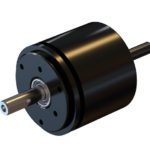
Netzer VLX-60

  • 60mm diameter
  • SSI, BiSS-C
  • Up to 19 bits resolution
  • High tolerance to EMI, RFI and magnetic fields

Netzer

Netzer DF-150

  • 150mm diameter
  • SSI, BiSS-C
  • 18 bit resolution
  • High tolerance to EMI, RFI and magnetic fields

Netzer

Netzer DL-25

  • 25mm diameter body
  • SSI, BiSS-C
  • Up to 19 bit resolution
  • High tolerance to EMI, RFI and magnetic fields

Netzer

Netzer VLP-80

  • 80mm diameter
  • SSI, BiSS-C
  • Up to 21 bits resolution
  • High tolerance to EMI, RFI and magnetic fields
Blog:

Sensors As Tough as You Are

If your environment is dirty, hot, wet, or corrosive your requirements may have some similarities with that of the construction industry.

UAV Tank Level Measurement

For maximum endurance and payload transportation capacity many UAV manufacturers turn to ICE (Internal Combustion Engine) powered flight. Electric propulsion has its place, but for maximum energy density batteries are not currently at the level of modern fossil fuels.

Intrinsically Safe Absolute Rotary Encoders

In the most hazardous environments, where an explosive atmosphere consisting of flammable gas or vapor is regularly present and a sensor fault cannot be risked, Intrinsically Safe (IS) sensors may be the best sensing option. Generally, these sensors are paired with a barrier which limits the amount of electrical and thermal energy that can enter the Hazardous Area to an amount that is so small that even in the situation of a sensor fault, there is not enough energy to cause an ignition.

‘Dirty Deeds Done Dirt Cheap’ – The Gill Blade Sensor

Not all sensors live easy lives. While some will go on to do noble things such as aiding in medical surgery robotics or will find lives in cutting-edge cobots such as Boston Dynamic’s spot, others will live simpler, yet equally important lives, this article is dedicated to one of those unsung heroes, the Gill Blade Sensor.