Home » UL-Certified Sensors: Safety First in Hazardous Locations
UL-Certified Sensors: Safety First in Hazardous Locations
In North America’s industrial landscape—where flammable gases, combustible dust, and volatile chemicals are part of the daily grind—UL-certified sensors are essential for safe operations. These sensors meet rigorous standards, ensuring they won’t ignite explosive atmospheres even under fault conditions.
UL certification focuses on Class I, II, and III hazardous locations, with divisions based on how frequently dangerous substances are present. Sensors designed for Class I, Division 1 environments (like oil refineries or chemical plants) must be either intrinsically safe—limiting electrical energy—or explosion-proof, containing any internal ignition. Most common are Class I, Division 2, in which an ignitable concentration is only present under a fault or abnormal condition.
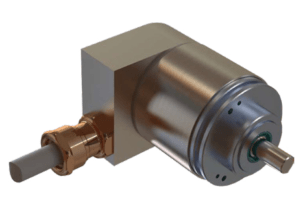
UL-certified rotary encoders from POSITAL offer reliable magnetic sensing and multiturn capabilities for dusty or gas-filled facilities. These Class I, Division 2 devices are available in a wide variety of form factors and communication absolute and incremental protocols (voltage, 4-20mA current, CANopen, EtherNET/IP and others). These options make for simpler installation, wiring and the ability to have more modern motion control.
Choosing UL-certified sensors isn’t just about ticking compliance boxes—it’s about ensuring long-term reliability, protecting workers, and keeping critical systems running smoothly.
POSITAL’s UL rotary encoders for hazardous environments offer users mutliple user interfaces and mounting options at an economical price point are complicated machines which must perform flawlessly under the harshest conditions.