Positek
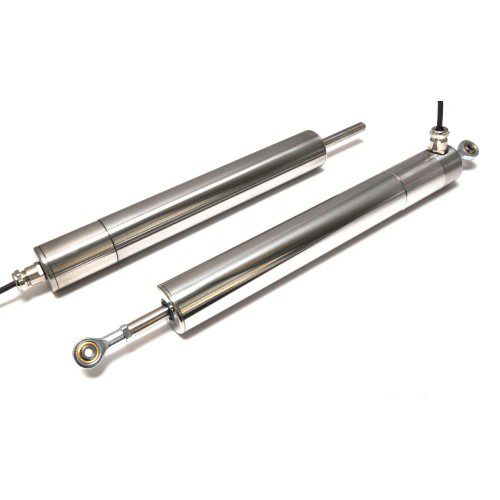
X114
Part no.: X114
Key Features
• ATEX/IECEx approved to: Ex II 1G : Ex ia IIC T4 GA (Ta = -40°C to +80°C)
• Sensor Mounting: M5 rod eyes, body clamps or M5 threadsSpring loaded pushrod option available
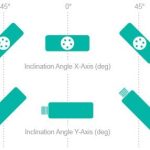
• Available in any measurement angle from 0-5mm to 0-800mm
• Sealed to IP68 10bar, 100msw, 145psi(for 350bar sealing see S125)
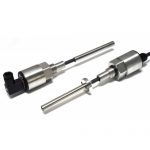
The intrinsically safe 10 bar X114 is an ATEX and IECEx approved affordable, durable, high-accuracy position sensor.
The X114, like all Positek sensors, provides a linear output proportional to displacement. Each unit is supplied with the output calibrated to the travel required by the customer, from 0-5mm to 0-800mm and with full EMC protection built in. The sensor is very robust, the body and push rod being made of stainless steel for long service life and environmental resistance. Derived from the popular X101, the X114 has been designed for applications where the sensor may be completely submerged in water up to a pressure of 10Bar, but good sensor performance and cost are still important.
Positek intrinsically safe sensors are designed to be used with a galvanically isolated amplifier. Approved galvanic isolation amplifiers (X005) are available from Positek; there is a choice of 0.5-9.5V or 4-20mA transmission outputs.
The sensor can be installed with a cable length up to 1km between the sensor and the amplifier.
Call us for more info at 856-727-9500
"*" indicates required fields




 856-727-9500