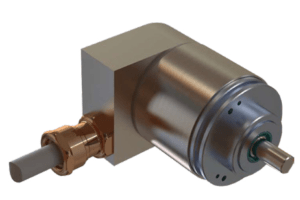
UL-Certified Sensors: Safety First in Hazardous Locations
Choosing UL-certified sensors isn’t just about ticking compliance boxes—it’s about ensuring long-term reliability, protecting workers, and keeping critical systems running smoothly.

Choosing UL-certified sensors isn’t just about ticking compliance boxes—it’s about ensuring long-term reliability, protecting workers, and keeping critical systems running smoothly.
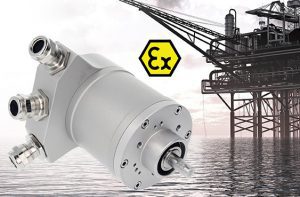
Choosing the right sensor means matching its certification—Zone, Gas/Dust Group, and Temperature Class—with the specific hazards of your site. It’s not just about compliance; it’s about protecting lives, assets, and operational continuity.
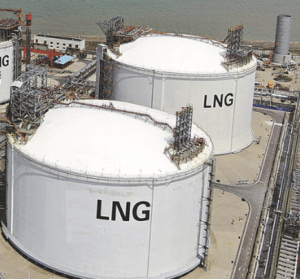
The measurement of tank expansion is a critical element in managing the integrity of liquid natural gas (LNG) storage tanks. As LNG is subject to significant temperature fluctuations—from cryogenic storage to ambient conditions—the tanks that contain it must safely accommodate expansion and contraction. Ensuring reliable measurement of these subtle changes is essential not only for operational efficiency but also for the safety of personnel and the surrounding environment.

Understanding Dual Axis Inclinometers: Background and Applications Introduction Dual axis inclinometers are sophisticated sensors designed to measure angles of tilt or inclination along two planes

Understanding Inductive Rotary Encoders A Comprehensive Guide to Their Functionality and Applications Inductive rotary encoders are sophisticated devices used to measure the rotational position of

Exploring Magnetic Rotary Encoders: TMR and Hall Effect Technologies A Comparison with Optical Encoders Magnetic rotary encoders are known for their robustness, reliability, and suitability